


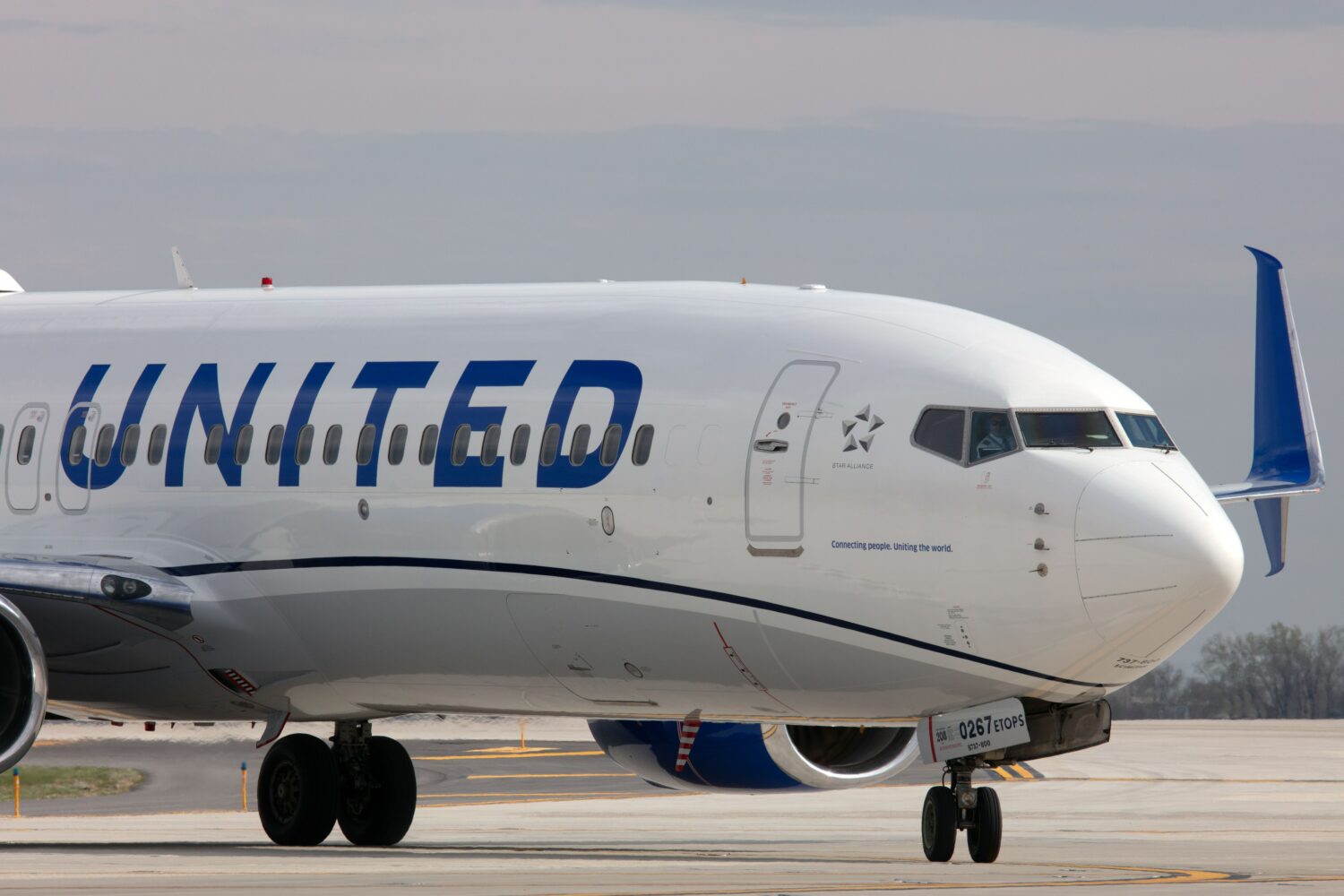
United Airlines has decided to refrain implementation of artificial intelligence (AI) for cabin crew scheduling for the time being. The decision follows strong objections from employees against the proposed system.
The airline had planned using algorithms to create schedules in a fairer and more efficient manner. However, this met with significant resistance from the Association of Flight Attendants (AFA) union. Following protests from the staff, United has cancelled the plans for the time being.
The intended system, a so-called Preferential Bidding System, would have allowed United employees to indicate preferences for working hours and routes. An algorithm would then generate the schedules based on these preferences. While this system would theoretically better align with individual wishes, unions feared a decrease in transparency and flexibility in practice.
Reasoning
A key point of criticism was that the new system would provide less insight into the reasoning behind the scheduling choices made. Additionally, swapping shifts would become more difficult. According to the union, this would particularly disadvantage employees with less seniority at United Airlines. The implementation of AI was primarily intended to address existing problems such as delays and poor communication regarding schedule changes. In the past, employees sometimes had to wait for hours to contact the scheduling department.
The union has responded with relief to the rejection of the AI system and emphasised that human oversight and equality are essential. United Airlines has indicated that it will continue discussions with AFA to find alternative methods for improving scheduling.