


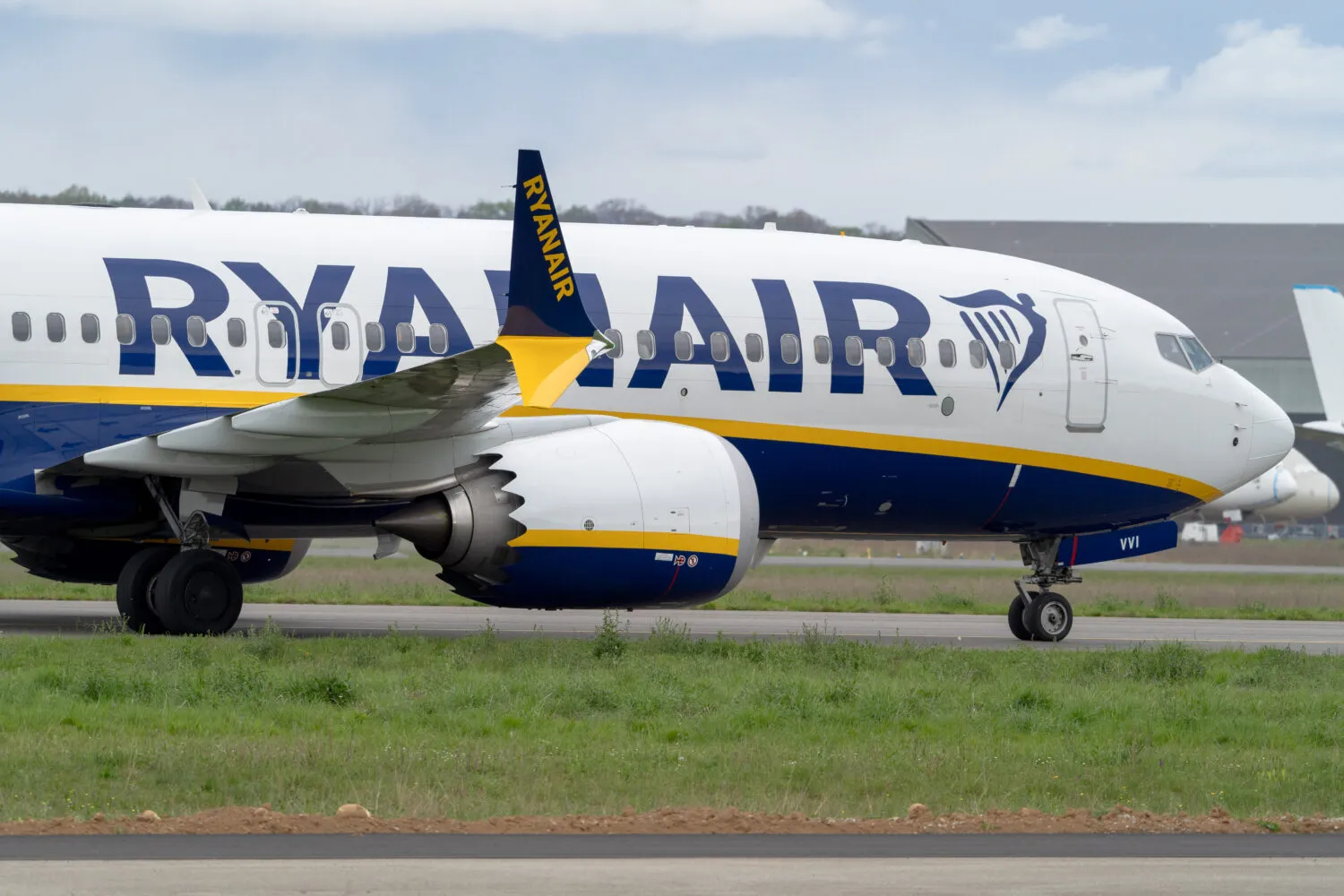
Flying across Europe for the price of a train ticket wasn’t always possible. Today, low-cost airlines like Ryanair and easyJet have revolutionized European travel. Discover their history, impact, and what comes next.
Deregulation and the birth of the model
The turning point came in 1987, when the European Union began liberalizing air travel. New rules gradually broke down barriers, allowing airlines to fly freely across borders without heavy state restrictions. The skies opened just as demand for affordable travel was growing.
Inspiration came from across the Atlantic. In the United States, Southwest Airlines had already shown how a stripped-down, efficient model could deliver cheap, reliable flights. European entrepreneurs quickly adapted the idea to their own markets.
Ryanair and easyjet: the pioneers
Ryanair started small in Ireland in 1985, flying between Waterford and London. But in the early 1990s, under Michael O’Leary, it adopted the Southwest model with full force: secondary airports, no-frills service, and aggressive cost-cutting. The result was explosive growth, turning Ryanair into Europe’s largest airline by passenger numbers.
easyJet, launched in 1995 by Stelios Haji-Ioannou, took a slightly different approach. Its slogan, “cheap flights made easy,” captured its spirit: transparent fares, point-to-point routes, and later, a pioneering embrace of online booking. Within a few years, the bright orange livery became a familiar sight at airports across the continent.
Expansion across europe
The success of Ryanair and easyJet opened the floodgates. In the late 1990s and early 2000s, new carriers such as Wizz Air (Hungary), Vueling (Spain), and Norwegian expanded the low-cost revolution. Their formula was simple but effective:
- use cheaper secondary airports like Charleroi near Brussels or Bergamo near Milan
- keep aircraft flying as much as possible with fast turnarounds
- strip the base ticket to essentials, charging extra for luggage, food, or seat selection
The effect was dramatic. Millions of people who had never flown before could suddenly afford a weekend city trip. Tourism boomed in places like Barcelona, Prague, and Kraków, reshaping local economies.
Impact on legacy carriers
National airlines—Air France, Lufthansa, British Airways, and others—were forced to adapt. Many created their own low-cost subsidiaries, such as Transavia (KLM), Eurowings (Lufthansa), and Vueling (Iberia). Others entered price wars on short-haul routes, while focusing on long-haul services for profitability.
The rise of low-cost carriers also changed the passenger experience. Short-haul business class, once dominant in Europe, lost much of its relevance as travelers prioritized price over luxury.
Criticism and challenges
Low-cost carriers have not escaped criticism. Their “ultra-cheap” model often relies on hidden fees, from priority boarding to strict baggage rules. Labor disputes over pay and working conditions have also made headlines.
Environmental concerns loom large too. As climate debates intensify, the idea of €20 flights faces scrutiny for its carbon footprint, especially when high-speed rail offers greener alternatives on some routes.
The COVID-19 pandemic briefly grounded the industry, but low-cost carriers proved resilient. Their lean structures and flexibility allowed them to rebound faster than many traditional airlines.
Today and the future
Today, low-cost carriers account for nearly half of all intra-European air traffic. Ryanair and Wizz Air continue to push the ultra-low-cost model, while easyJet balances affordability with a slightly more premium offering.
Looking ahead, several challenges and opportunities stand out:
- competition with high-speed rail, especially on routes under 1,000 kilometers
- consolidation, as smaller players struggle to survive
- sustainability pressures, which may force changes to ticket pricing and aircraft technology
Despite these headwinds, the low-cost model seems here to stay. It has become an essential pillar of European connectivity.
In essence, in less than three decades, low-cost carriers reshaped European aviation. They democratized air travel, turned obscure airports into busy hubs, and made weekend getaways a cultural norm. At the same time, they disrupted legacy airlines and sparked new debates about labor, fairness, and sustainability.
The future may demand greener and more balanced growth, but the revolution that began with Ryanair and easyJet continues to define the way Europe flies today.