Close Menu
  • Home
  • Recent
  • News
  • Background
  • Military
  • Editors’ Choice
  • Contact
Facebook X (Twitter) Instagram YouTube LinkedIn
Flying InsightFlying Insight
  • Home
  • Recent
  • News
    • Aircraft
      • Business Jets
    • Airlines
      • Routes and Destinations
    • Airports
    • Cargo
    • Crew
    • Financial
    • History
    • Manufacturers
      • Airbus
      • Boeing
      • Embraer
    • Military
    • Safety
      • 737 MAX
      • Incidents
      • Security
    • Space
    • Sustainability & Innovation
    • Video
  • Background
  • Editors’ Choice
  • Video
  • Contact
Flying InsightFlying Insight
Home»Menu»Aircraft»Major development in aircraft-parts fraud case
Aircraft

Major development in aircraft-parts fraud case

EditorialBy EditorialDecember 4, 2025, 11:00 UTC2 Mins Read
Facebook WhatsApp Twitter LinkedIn Email
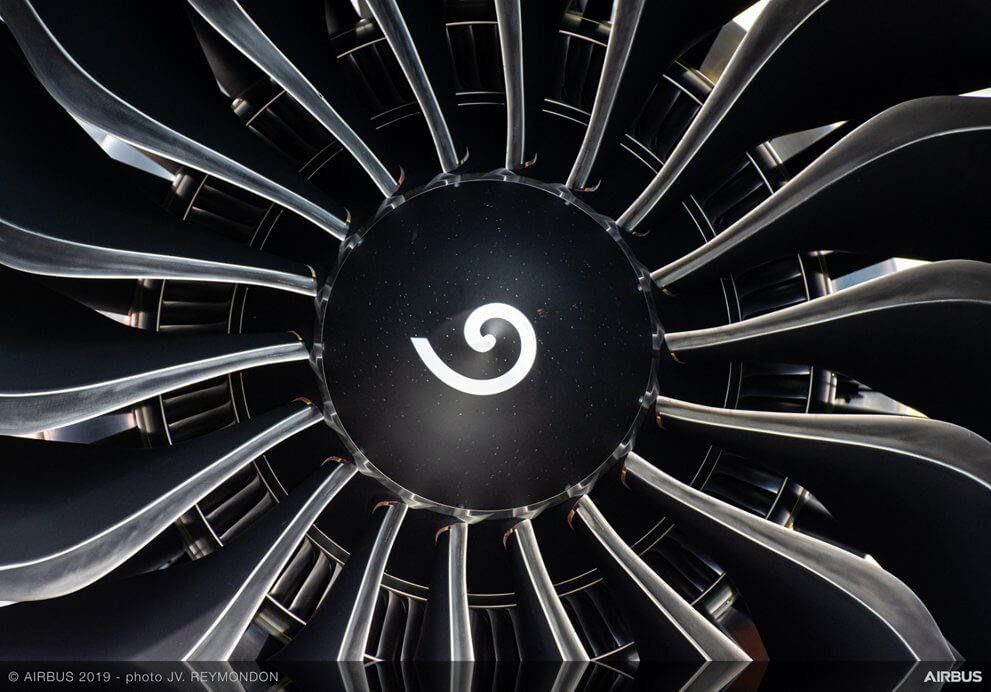
© Airbus / Jean-Vincent Reymondon
Share
Facebook WhatsApp Twitter LinkedIn Email

Jose Alejandro Zamora, director of AOG Technics, has pleaded guilty in a London court for fraudulent trading.

What happened

The director of AOG pleaded guilty in London to fraudulent trading, marking a major turning point in the investigation of falsified aircraft-engine parts. According to the UK Serious Fraud Office (SFO), AOG Technics supplied parts between 2019 and 2023 using falsified airworthiness and origin documents, affecting components destined fro CFM56 engines. These engines power older Airbus A320 and Boeing 737 aircraft, the most widely used jets in the world.

Many of the falsified components were small, non-serialized engine parts (bolts, bushings, dampers, seals, washers), items that are harder to trace and easier to disguise with forged paperwork. These parts were sold to airlines, MROs, and parts distributors globally, prompting a worldwide inspection order in 2023.

Discovery

Engine manufacturers GE Aerospace and Safran discovered inconsistencies in certification documents during routine audits and then notified regulators, which set off the broader investigation. It was noted that up to 96 aircraft worldwide were believed to have been fitted with parts linked to AOG Technics before the fraud was discovered. This figure demostrated that both the scale of the potential risk and the vulnerability of the aviation supply chain to third-party distributors.

The case has intensified pressure on regulators including EASA, the FAA, and national civil-aviation authorities to strengthen oversight of independent suppliers. The scandal reveals structural weaknesses in how documentation, traceability, and certification are managed across global aircraft-parts networks.

Share. Facebook WhatsApp Twitter LinkedIn Email Copy Link
Editorial
  • Website
  • Facebook
  • X (Twitter)
  • Instagram
  • LinkedIn

Articles written by the editors of Flying Insight.

Related Posts

How much does it cost to fuel an airplane?

February 14, 2026By Editorial

Turbulent times: jetBlue faces a lawsuit by passengers for their nightmare flight

February 11, 2026By Editorial

Strange reason for United Boeing 767 diversion

January 27, 2026By Editorial
Recent

How much does it cost to fuel an airplane?

February 14, 2026

Turbulent times: jetBlue faces a lawsuit by passengers for their nightmare flight

February 11, 2026

Strange reason for United Boeing 767 diversion

January 27, 2026
Popular

How much does it cost to fuel an airplane?

February 14, 2026

The transatlantic flights operated by Boeing 737s

December 3, 2025

Ryanair in dispute over flights to Israel

April 15, 2025

Recent Posts

Newsletter

Blocksy: Socials
Facebook X (Twitter) Instagram YouTube LinkedIn RSS
© 2026 Flying Insight / UpFactory B.V. All rights reserved.

Type above and press Enter to search. Press Esc to cancel.