


.jpg)
A powerful winter storm system, officially named Winter Storm Fern, is sweeping across the United States this weekend, triggering widespread travel chaos in aviation.
Fern in the country
The storm translates to major impacts on airlines, airports and travelers nationwide. The storm has already affected 230 million people and more than 40 states with heavy snow, freezing rain, ice and extreme cold, prompting emergency declarations and travel warnings from meteorologists and authorities.
Major air travel disruptions
As of midday Friday, flight tracking services reported hundreds of cancellations and well over a thousand additional planned cancellation for Saturday alone, with flight delays also in the thousands.
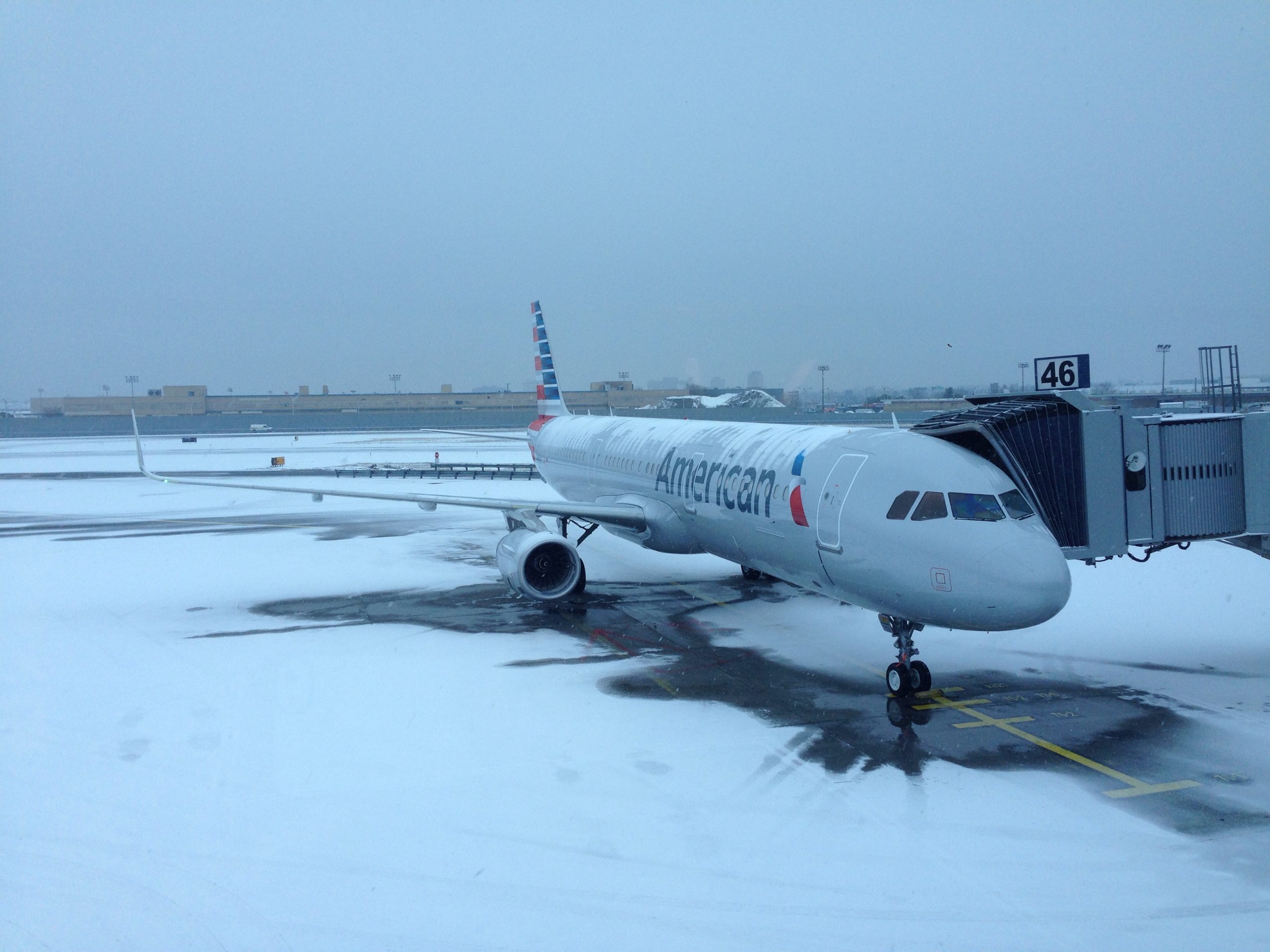
Major carriers, including American Airlines, Delta Air Lines, United, Southwest, JetBlue and Spirit, have proactively canceled flights at key hubs ahead of the worst weather. Significant cancellations are concentrated in Texas, Oklahoma, Arkansas, Louisianan and Tennessee, with ripple effect expected into the Northeast and Midwest. Hubs that are being hit the hardest include Dallas-Fort Worth international (DFW), Dallas Love Field, Atlanta Hartsfield-Jackson (ATL), Charlotte (CLT), Washington D.C. airports, and New York area airports.
Wide scope and weather hazards
Meteorologists describe Fern as a massive and long-lasting system that extends from the Southern Plains through the Midwest and up the Eastern Seaboard. Heavy snowfall, potentially exceeding 12 inches in parts of the Ohio Valley, Mid-Atlantic and Northeast, and significant ice accumulation are forecast. Freezing rain and gusty winds are compounding hazardous conditions, often making ground operations such as de-icing and taxiing more difficult and time-consuming for airlines. Officials in many states have issued winter storm warnings or states of emergency, mobilizing crews to treat roads and keep transportation networks as functional as possible while urging the public to limit travel.
Why Winter Storms Cause Such Chaos in Aviation
Winter weather is one of the most disruptive natural factors for air travel. Snow, ice and freezing rain require extra de-icing procedures, slower surface operations, and careful runway maintenance to maintain safety. Historical data from past storms show that major cold weather systems can result in cascading delays and cancellations. Airlines struggle to keep aircraft and staff in the right place, with effects often persisting even after weather conditions improve.