


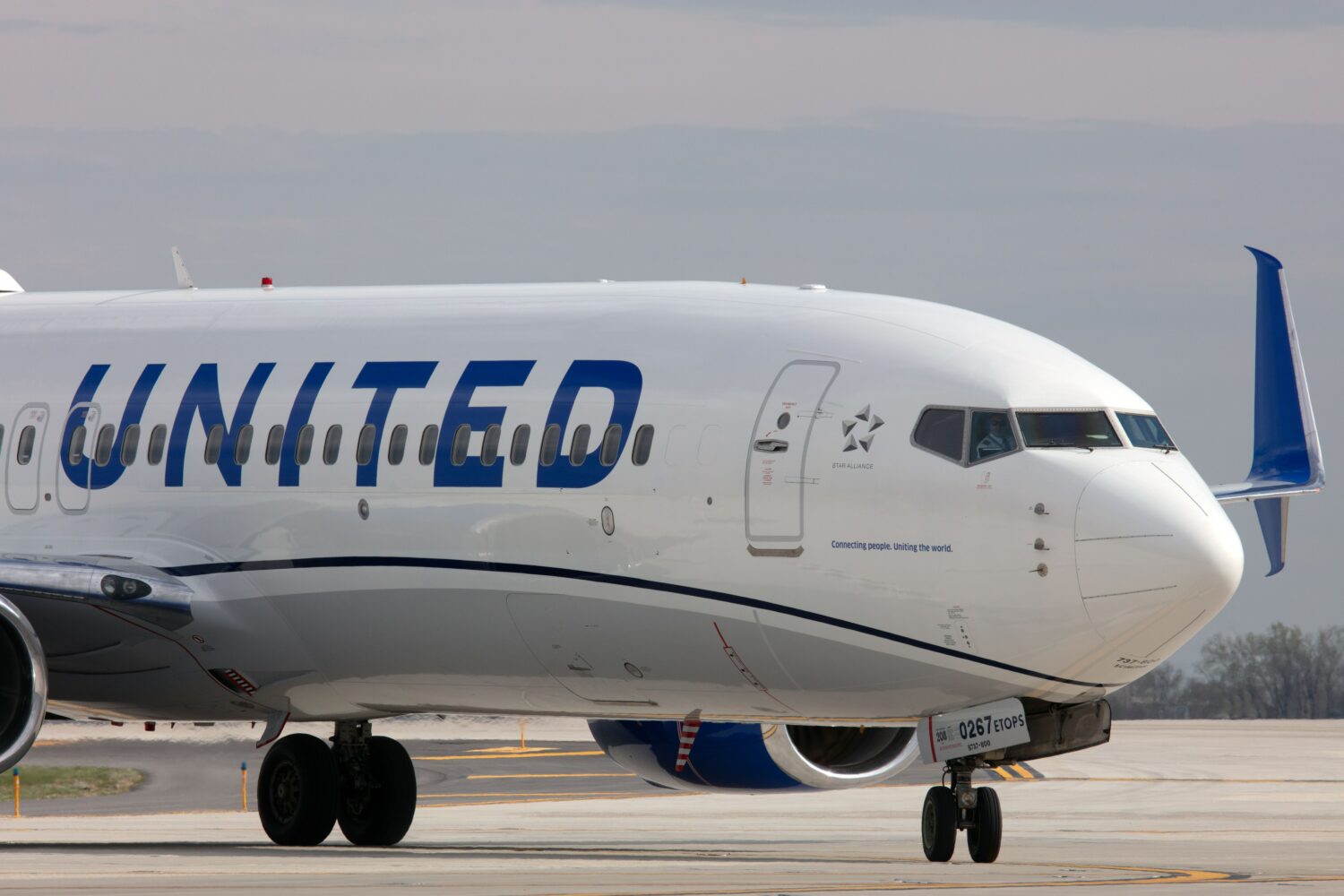
Fuel is one of the biggest expenses in commercial aviation. Every flight, whether a short hop or an intercontinental journey, requires thousands of litres of jet fuel. But how much does it actually cost to fuel an airplane? The answer depends on aircraft type, route length, fuel prices and operational factors. In this background article, Flying Insight takes a closer look at the real numbers behind aircraft refuelling costs.
Jet fuel: what do airplanes use and what does it cost?
Most commercial aircraft operate on Jet A-1, a kerosene-based fuel designed for turbine engines. Its price is linked to global oil markets and fluctuates daily. Beyond crude oil prices, refinery capacity, geopolitical tensions, transport costs and airport-specific taxes also influence the final amount airlines pay.
In mid-2025, the average Jet A-1 price is around $2.25 per US gallon — roughly $0.59 per litre. However, airlines rarely pay the publicly quoted market price. Large carriers typically negotiate long-term supply agreements, purchase fuel in bulk and often hedge prices months or years in advance to protect themselves from volatility.
As a result, the real fuel price per litre varies between airlines and airports.
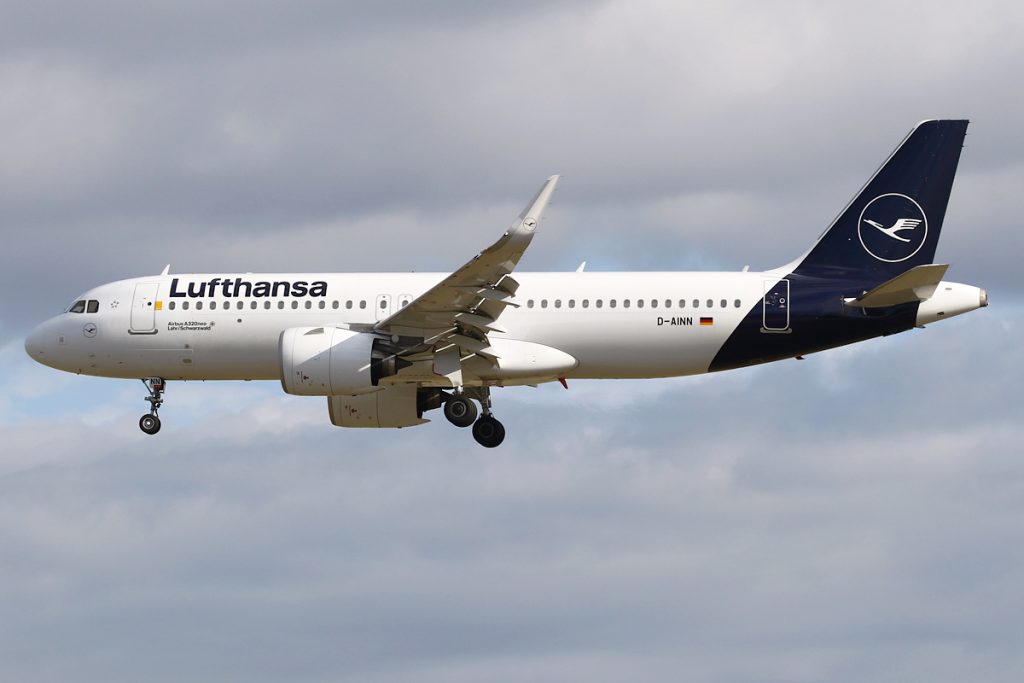
Narrowbody aircraft: Boeing 737 and Airbus A320
Short- and medium-haul routes in Europe and elsewhere are primarily operated by the Boeing 737 and the Airbus A320. These single-aisle aircraft are optimised for efficiency on flights lasting between one and four hours.
On average, a 737 or A320 consumes between 2,500 and 3,000 litres of fuel per hour, depending on the exact variant, passenger load and weather conditions.
Take a typical two-hour flight, such as Amsterdam to Barcelona. The total fuel burn would be approximately 5,500 litres. At a reference price of $0.59 per litre, that translates to around $3,200 in fuel costs – roughly €3,000 for a single sector.
Although these aircraft can carry between 20,000 and 26,000 litres of fuel, airlines rarely fill the tanks completely for short routes. Carrying extra fuel adds weight, and additional weight increases fuel consumption. Instead, dispatchers calculate a precise fuel load that includes trip fuel, contingency reserves, alternate airport fuel and mandatory safety margins.
Fully refuelling a narrowbody with 24,000 litres at the same price would cost in the region of $14,000 (about €13,000). In practice, that scenario mainly applies to longer medium-haul flights.
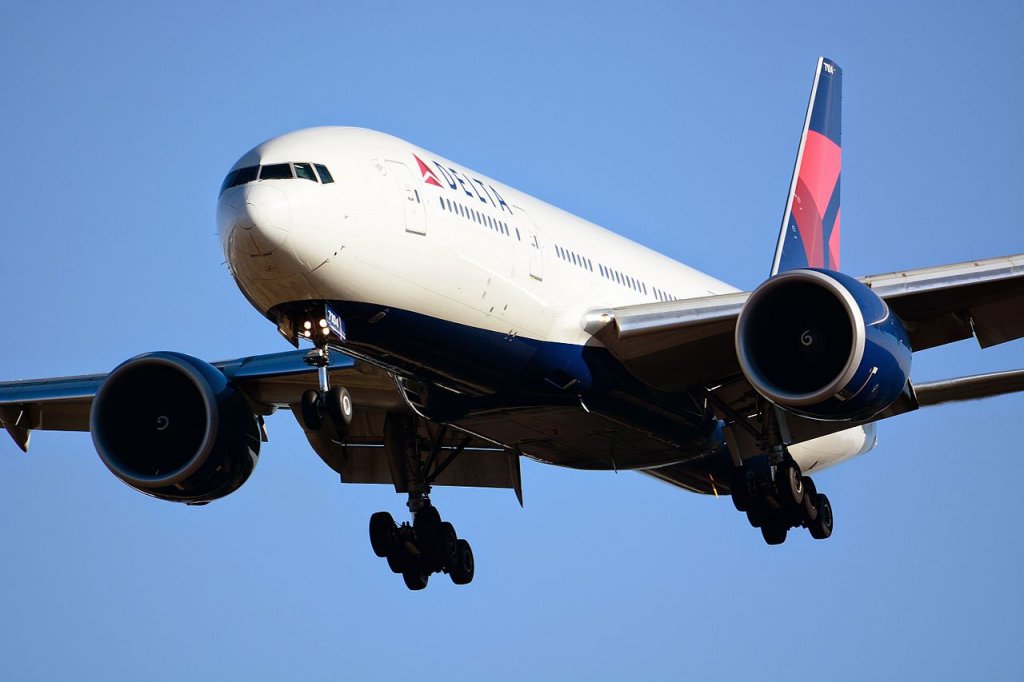

Widebody aircraft: Boeing 777
For long-haul operations, airlines rely on widebody aircraft such as the Boeing 777. This twin-engine long-range aircraft is widely used on intercontinental routes, including flights from Amsterdam to New York, Dubai or Asia.
A Boeing 777 typically burns between 6,800 and 7,500 litres of fuel per hour. On an eight-hour transatlantic crossing, total fuel consumption can reach roughly 60,000 litres.
Using the same benchmark price of $0.59 per litre, fuel costs for that single flight would amount to approximately $35,000 — or around €33,000. That is just the fuel cost for the airplane, excluding crew, maintenance, airport charges and leasing costs.
The larger Boeing 777-300ER has a maximum fuel capacity of around 181,000 litres. Filling it to capacity at $0.59 per litre would cost more than $106,000 — close to €100,000. Such full loads are typically only required for very long routes or when operational conditions demand additional reserves.
What determines how much fuel is used?
Fuel burn is not fixed. Several factors influence how much an aircraft consumes:
Aircraft weight plays a major role. More passengers, cargo or additional fuel itself increase total mass, requiring more thrust and therefore more fuel.
Weather conditions are equally important. Strong headwinds can significantly raise fuel consumption, while tailwinds reduce it. Modern flight planning systems continuously optimise routing and altitude to minimise burn.
Ground operations also matter. Aircraft use fuel while taxiing, during delays and when holding in the air before landing. At busy airports, this can add a noticeable amount to total consumption.
Finally, commercial strategy affects overall costs. Airlines manage fuel purchasing carefully, often combining long-term contracts, airport-specific agreements and financial hedging strategies to reduce exposure to price spikes.
Why fuel efficiency is crucial for airlines
Fuel is usually the largest variable operating cost for an airline. Even marginal efficiency gains can translate into millions in annual savings.
That explains the strong industry focus on:
- New-generation engines with lower consumption
- Aerodynamic improvements such as winglets
- Lightweight cabin materials
- Advanced flight planning software
Aircraft families such as the latest 737 and A320 variants are considerably more fuel-efficient than earlier models, offering airlines both environmental and financial benefits.
The bottom line
Fuelling an airplane is far from cheap. For a short European flight, fuel costs may amount to around €3,000. On long-haul routes, that figure can easily exceed €30,000 per flight. Filling a large widebody aircraft completely can approach €100,000 in fuel alone.
These numbers illustrate why fuel pricing, efficiency and operational optimisation remain central to airline economics — and why developments in oil markets have an immediate impact on the aviation industry.